


iPacemaker Device
3.64.00 Reviews
App Specs
- Version
- 9.10.2
- Updated On
- License
- Free
- Downloads
- 10,000+
- Developer
- iPacemaker
- Categories
- Medical
- Platform
- Android
Screenshots
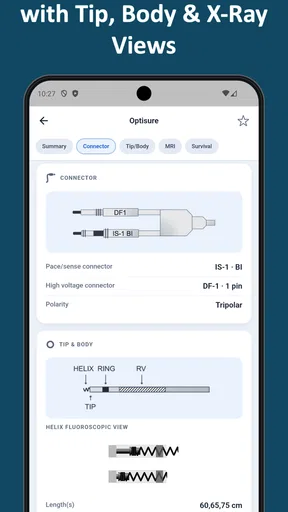
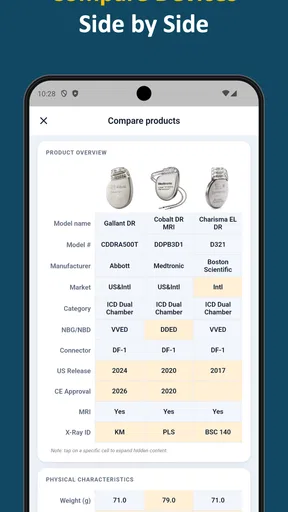
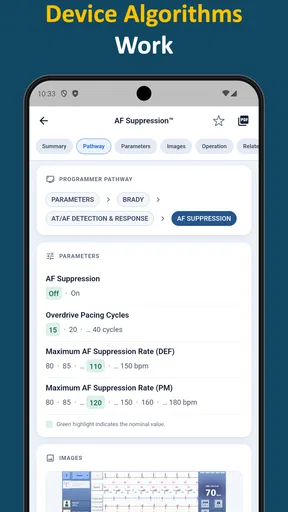
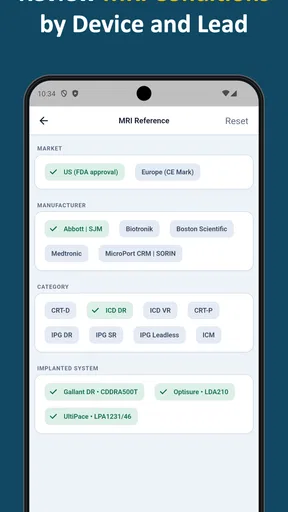
 Analysis by AppCompare
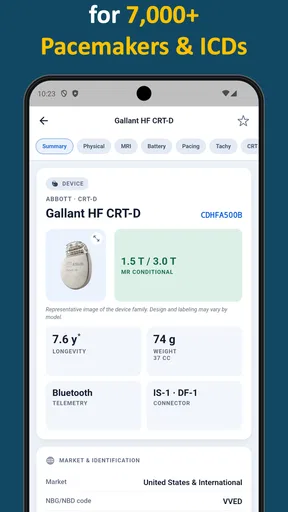
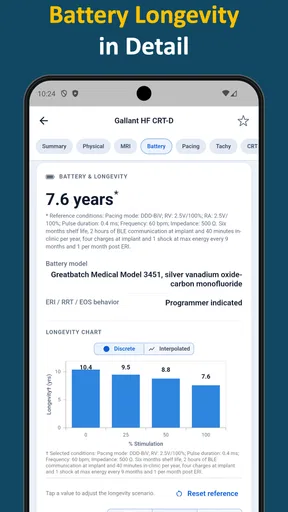
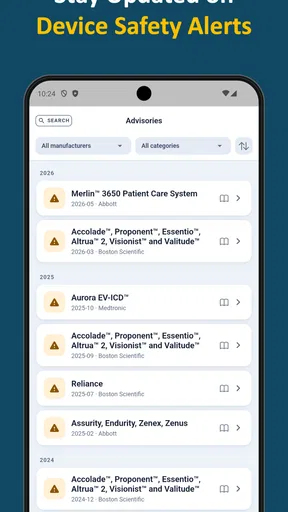
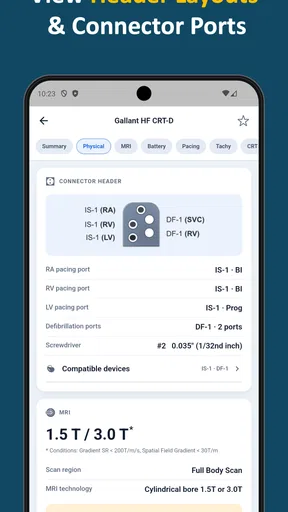
When I look for a heart-related app, I first ask what job I need it to do: explain a device, help me keep useful information organized, or measure something about my health. Those are different needs, and confusing them can lead to misplaced confidence. iPacemaker Device is best approached as a medical reference for pacemaker and implantable cardioverter-defibrillator topics, not as a substitute for a clinician or a device clinic.
That distinction matters in everyday use. If I want background reading before an appointment, an encyclopedia-style resource can help me prepare clearer questions. If I need readings from my implanted device, urgent advice, or a personalized interpretation of symptoms, I would contact my care team instead. A phone reference can support a conversation; it cannot take responsibility for clinical decisions.
Choose it for reference, not reassurance
The key decision is whether you want information about implanted cardiac devices or a tool that actively measures and manages your heart. The former is the sensible expectation here. The app is listed in the medical category, is made by iPacemaker, and is free to install. Its subject makes it potentially useful to people living with a pacemaker or ICD, as well as family members who want to understand the terminology they encounter.
I would not download it expecting a personal monitor, a diagnostic test, or emergency support. For symptoms such as fainting, chest pain, or a sudden change in how you feel, an encyclopedia is the wrong first stop. Follow the instructions given by your medical team and seek appropriate care. This boundary is not a knock against a reference app; it is simply the safest way to judge what it can do for you.
Getting to Know iPacemaker Device
So, when I first heard about iPacemaker Device, I was a bit skeptical. The idea of a smartphone app that can help monitor heart health seemed a bit out there. But curiosity got the better of me, and I decided to give it a go. After all, who doesn’t want a little peace of mind when it comes to their heart?
The installation process was a breeze. I downloaded the app, and within minutes, I was ready to dive in. The interface? Sleek and intuitive, which is always a plus in my book. It didn’t take long to figure out where everything was, thanks to its thoughtful design.
Features that Stand Out
Alright, let’s talk features. This app is packed with them! From real-time heart rate monitoring to alerts for irregular heartbeats, it’s like having a personal heart monitor. One feature I found particularly impressive was the daily health reports. It gives you a neat summary of your heart’s activity, kind of like a daily report card.
Worth Reading Before You Choose

EA SPORTS FC Mobile 26 Is a Bigger Football Game, but It Takes Time

Flipboard Shows What News Apps Must Do Beyond the Feed

Switching to Android Auto Means Rethinking Your Driving Routine

Google Calendar Makes a Crowded Week Easier to Manage

Ludo King Makes the Most of the Minutes Between Plans

Baby Panda World Brings Quick Play to Modern Phones, but Its Game Library Feels Busy
Plus, it has this nifty function where it syncs with other health apps. So if you’re a fitness enthusiast like me, you’ll find this integration super handy. It’s like your health data is all coming together in one big happy family.
How It’s Helping Me Stay Healthy
I’ve been using the app for a couple of weeks now, and honestly, it’s become a staple in my routine. It’s not just about monitoring; it actually motivates me to pay attention to my health. I’ve started noticing patterns in my heart rate and made some lifestyle tweaks based on the insights. It’s like having a gentle nudge towards better habits.
The app also sends reminders for regular check-ups, which is a nice touch. It’s like having a little guardian angel looking out for your well-being. And in today’s fast-paced world, who doesn’t need that?
Making it useful between appointments
A practical way to use a device reference is to read with a purpose rather than browse at random. Before a routine appointment, I would jot down the terms or questions I want to discuss, then use the app to get familiar with the subject. During the visit, I could ask my clinician to clarify how the general explanation applies to my own device and medical history. That small step helps keep general reading in its proper place.
For a relative helping someone manage appointments, the same approach can make conversations less intimidating. Reading together may help a family member recognize unfamiliar device terms and prepare questions without guessing at what a setting or symptom means. I would avoid using any reference to change device settings or treatment routines on my own; those decisions belong with the qualified professionals responsible for care.
Another useful habit is to keep the app’s role modest: treat it as a starting point for learning, not as a record of personal medical care. If you need to track appointments, prescriptions, symptoms, or device checks, a dedicated health journal or the clinic’s own patient tools may be a better place for that information. Keeping those jobs separate reduces the chance of mistaking educational material for your personal medical record.
Where a specialist reference beats general health apps
Compared with broad wellness apps, a pacemaker-and-ICD reference has a narrower purpose. General health products are often built around activity, habits, or measurements; they may be more useful if your main aim is logging exercise or building a routine. A focused device encyclopedia is more relevant when your questions concern implanted cardiac technology. That focus is its clearest reason to choose it over a general-purpose health app.
There is a trade-off, though. A reference can help explain concepts, but it is not the same as advice tailored to your model, medical history, or care plan. The device clinic remains the better source for questions about your own implant, follow-up schedule, or what to do when something feels wrong. For day-to-day activity tracking, a fitness or health-log app may be a more direct fit; for urgent concerns, neither kind of app should delay care.
The app is free to install, but it also offers in-app purchases ranging from about nine dollars to about one hundred and nine dollars per item. I would check what an item includes and whether it answers a specific need before spending. If you are only looking for occasional background reading, start with the free experience and decide whether anything beyond it is genuinely useful to you.
Practical limits and switching costs
Because the app is a reference rather than a care relationship, there is little reason to make it the center of your health routine. The meaningful “switching cost” is mostly the time spent learning where useful information sits and deciding whether it serves your questions. If you already rely on your clinic’s materials or a trusted patient portal, compare the two by asking which one is clearer and more relevant to your device—not by trying to maintain duplicate records.
It is also worth checking that the app suits your phone before installing it: it requires Android 7.0 or later. Its age rating is Everyone, but the medical subject may still be easier to understand with a clinician’s explanation, especially for younger users or anyone reading about a new diagnosis. The current version is 9.8.8. I would keep expectations focused on learning and avoid assuming that an app update changes the advice your care team has given you.
Its average rating is 3.5 from 42 ratings, with four written reviews, and it has over 10,000 installs. I treat those figures as context, not proof that the content fits my situation. Medical reference material is personal in the sense that a clear explanation for one reader may not answer another reader’s question. I would judge it by whether it helps me prepare for a conversation, not by popularity alone.
The Social Aspect
One thing I didn’t expect was the community aspect of the app. There’s a section where you can connect with others using the same app. It’s a supportive space where people share their experiences and tips on maintaining heart health. It’s like having a mini support group right in your phone.
And let’s be real, sharing your health journey with others can be incredibly motivating. It’s comforting to know you’re not alone, especially when it comes to something as important as heart health.
Who should choose it—and who should not
I can see this being a reasonable companion for someone who wants a device-focused place to begin learning, or for a caregiver who wants to follow along with unfamiliar terms before asking a clinician. It may also suit a curious reader who prefers a dedicated medical reference to searching across general websites. The most useful outcome is not self-diagnosis; it is arriving at an appointment with better questions and a clearer grasp of the discussion.
I would steer someone elsewhere if they expect live monitoring, personalized treatment recommendations, or a reliable way to respond to a possible device problem. I would also skip it as my main option if I only want exercise tracking, appointment management, or a private symptom diary. Those tasks call for tools designed specifically for them, while a care team is the right contact for individual medical guidance.
One sensible way to test whether it earns a place on your phone is to choose one question you already have, read with that question in mind, and note what remains unclear. If the app helps you frame a useful follow-up for your clinician, it has served a real purpose. If the question concerns an urgent symptom or a specific change to your treatment, bypass the reading step and contact the appropriate medical service.
Wrapping It Up
So, would I recommend iPacemaker Device? Absolutely. It’s more than just an app; it’s a tool that empowers you to take charge of your heart health. Whether you’re a health nut or someone just looking for a little extra peace of mind, this app has something for everyone.
In a world where health should be a priority, having a little helper like this can make all the difference. So why not give it a try? Your heart will thank you.
My recommendation
My recommendation is measured: consider it if you want a focused reference about pacemakers and ICDs, and use it to support—not replace—conversations with your care team. The free install makes it easy to explore, while the optional purchases mean I would look closely at what is included before paying for anything. If you want a personal monitor or a tool for managing appointments and records, choose an option built for that specific job instead.
For the right reader, the appeal is having a device-centered resource to consult when a term or topic comes up. For everyone else, especially anyone seeking diagnosis or urgent reassurance, the better choice is direct professional guidance. That is the distinction I would keep in mind before relying on any medical app.
Pros
- User-friendly interface for easy navigation.
- Real-time heart rate monitoring.
- Customizable alerts for different conditions.
- Integration with health apps.
- Secure data storage and privacy.
Cons
- Limited compatibility with older devices.
- Subscription required for advanced features.
- Occasional sync issues with some devices.
- Battery consumption can be high.
- Requires stable internet connection.
FAQs for iPacemaker Device
What is iPacemaker Device and how does it work?
iPacemaker Device is a mobile application designed to assist individuals with pacemakers in monitoring their heart health. It connects wirelessly to compatible devices, providing real-time data analysis and alerts. Users can track vital statistics, receive notifications on irregularities, and share data with healthcare providers for better management of their condition.
Is iPacemaker Device compatible with all pacemakers?
iPacemaker Device is compatible with a range of modern pacemakers, but not all. It’s crucial to check the app’s compatibility list or consult with your healthcare provider to ensure your device can connect. Compatibility depends on the manufacturer and model of your pacemaker, as well as the smartphone’s operating system.
How secure is my data on iPacemaker Device?
The iPacemaker Device app uses advanced encryption protocols to ensure that your data remains secure and confidential. Data is stored securely on your device and, if shared with healthcare providers, is transmitted over secure channels. Users should always follow best practices for app security, such as using strong passwords and keeping their app updated.
Can I use iPacemaker Device without an internet connection?
iPacemaker Device can operate offline, but certain features require an internet connection. Real-time data monitoring and alerts work without internet, but sharing data with healthcare providers or receiving updates necessitates a connection. For full functionality, ensure periodic internet access to sync and update the app.
What are the key features of iPacemaker Device?
Key features of iPacemaker Device include real-time heart monitoring, customizable alerts for irregular heart rhythms, data sharing with healthcare providers, and a user-friendly interface. The app also offers educational resources about pacemaker management and heart health, making it a comprehensive tool for patients.


